Domain uromas.de kaufen?
Wir ziehen mit dem Projekt
uromas.de um.
Sind Sie am Kauf der Domain
uromas.de interessiert?
domain@kv-gmbh.de · 0541-91531010
Domain uromas.de kaufen?
Wie finde ich die Stoffmenge n von 1 Mol bei den Stoffen?
Die Stoffmenge n von 1 Mol kann mithilfe der Avogadro-Konstante (6,022 x 10^23) berechnet werden. Die Stoffmenge n ist definiert als das Verhältnis der Masse des Stoffes zur molaren Masse des Stoffes. Daher kann die Stoffmenge n berechnet werden, indem die Masse des Stoffes durch die molare Masse des Stoffes geteilt wird. **
Was ist die Generation N?
Die Generation N ist ein Begriff, der verwendet wird, um diejenigen Menschen zu beschreiben, die in den 1990er Jahren geboren wurden. Diese Generation wird oft als digital versiert, technologieaffin und global vernetzt beschrieben. Sie sind mit dem Internet und sozialen Medien aufgewachsen und haben eine andere Perspektive auf die Welt als vorherige Generationen. **

Ähnliche Suchbegriffe für Mol n
Top-Angebote
Produkte zum Begriff Mol n:
-
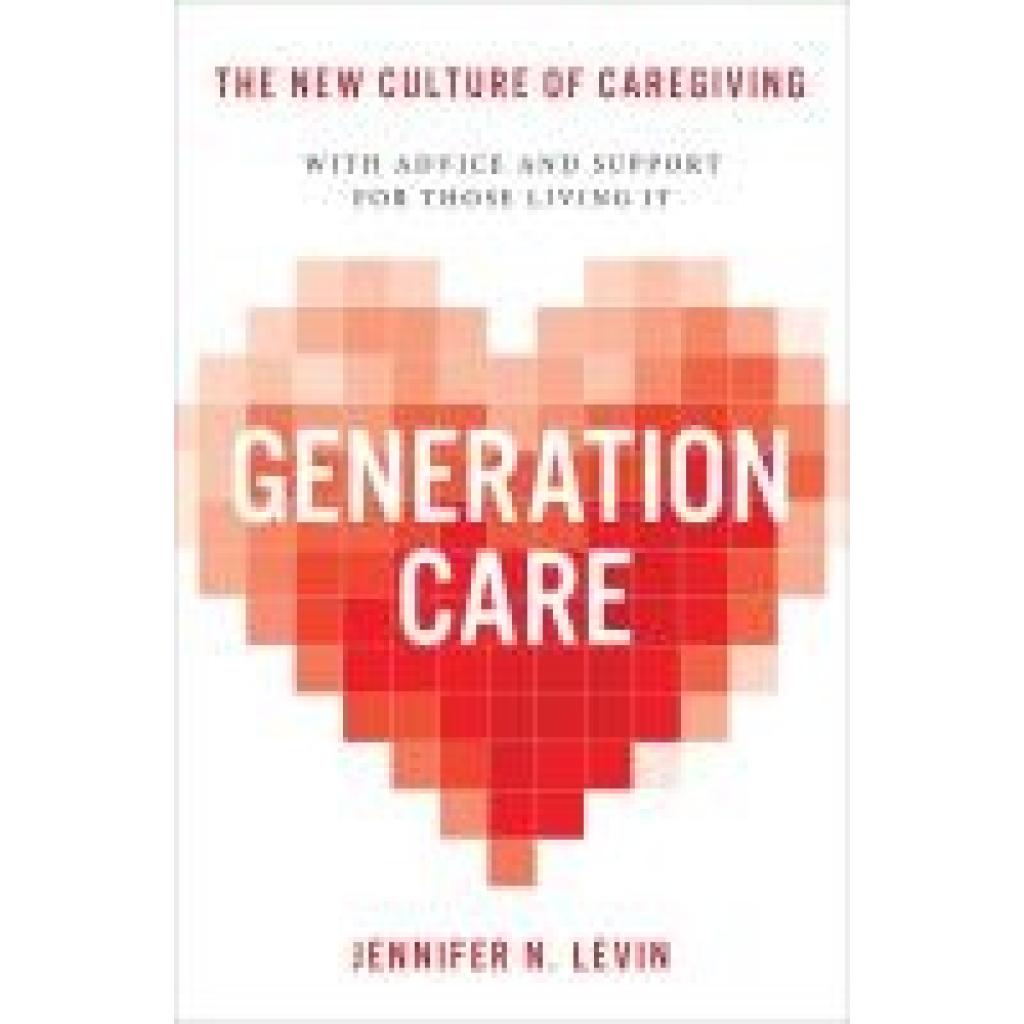
Levin, Jennifer N: Generation CareGeneration Care , Writer and founder of national online support group Caregiver Collective and herself a caregiver Jennifer N. Levin offers a comprehensive look at our current culture of care--with an emphasis on Millennial caregivers--providing a roadmap to solutions and an urgent call for policy change. More than 10 million Millennials are caring for aging parents before they've been able to fully launch their own careers and consider starting their own families, and that's not including the incalculable numbers of people affected by long COVID. Yet no one is naming this problem, talking about how it feels, or offering resources to ease the pressure of Millennial caregiver burnout. Jennifer N. Levin was 32 when her father was diagnosed with a rare degenerative illness. As she struggled with few resources and little support, she created Caregiver Collective, a national online support group for Millennial caregivers. Now Levin brings the wisdom from her own experience and that of her support group to Why Us? , a comprehensive look at this generation's culture of care. Filled with the voices of caregivers, expert commentary and research, and a roadmap to the solutions that can begin helping people now as well as build the policies of the future, Why Us? addresses: - The urgency of caregiving: With earlier (and better) detection of disease, along with a rise in chronic illness, the average age of a care recipient is younger than before--as is the average caregiver age. - The financial costs: Millennials spend a higher percentage of their income on caregiving and carry unprecedented student loan debt, adding to fiscally devastating out-of-pocket costs for care. - Ambiguous loss for caregivers: Caregiving can dictate caregivers' lifestyle choices; Millennial caregivers may grieve the lives they 'thought' they'd have. - The impact of COVID and long COVID: We're in a period of fluctuation with flex and remote work, which makes work and caregiving more compatible. How can we make sure that working caregivers' needs are honored? - Strategies for getting help on the individual level and in relation to policy. We, as a culture and society, talk about caregiving broadly-it's something many of us may think, "not us" or "we'll figure that out later." But caregiving is an increasingly urgent crisis. Why Us? brings this crisis to the fore, illuminates the real stories and people who are most affected, underscores the need for shifts in policy and giving support where it is most needed, and sounds a clarion call for change. , > , Erscheinungsjahr: 20250408, Produktform: Leinen, Autoren: Levin, Jennifer N, Seitenzahl/Blattzahl: 272, Themenüberschrift: FAMILY & RELATIONSHIPS / Eldercare~HEALTH & FITNESS / Health Care Issues~SOCIAL SCIENCE / Disease & Health Issues, Fachschema: Family / Parenting / Childbirth, Warengruppe: HC/Medizin/Allgemeines, Lexika, UNSPSC: 49019900, Warenverzeichnis für die Außenhandelsstatistik: 49019900, Länge: 235, Breite: 159, Höhe: 24, Gewicht: 581, Produktform: Gebunden, Genre: Importe,28,47 €*Versand: 0,00 €Sichere Weiterleitung zum Anbieter


-
Warum ergeben 2 Mol H2 und 1 Mol O2 genau 2 Mol Wasser?
Die chemische Reaktion zwischen 2 Mol H2 und 1 Mol O2 ist eine Redoxreaktion, bei der Wasser gebildet wird. Jedes Wassermolekül besteht aus 2 Wasserstoffatomen und einem Sauerstoffatom, daher werden bei der Reaktion 2 Mol Wasser gebildet. Dies entspricht dem Verhältnis der Ausgangsstoffe und den stöchiometrischen Koeffizienten in der Reaktionsgleichung. **
-
Wie viel Mol Wasserstoffatome enthält ein Mol Wasser?
Ein Mol Wasserstoffatome enthält 6,022 x 10^23 Wasserstoffatome. Da ein Wassermolekül aus zwei Wasserstoffatomen besteht, enthält ein Mol Wasser also auch 6,022 x 10^23 Wassermoleküle. Somit enthält ein Mol Wasserstoffatome insgesamt 2 Mol Wasserstoffatome. Dies liegt daran, dass jedes Wassermolekül zwei Wasserstoffatome enthält. Daher enthält ein Mol Wasser 2 Mol Wasserstoffatome. **
-
Wie viele Mol NH3 können aus 3 Mol N2 und 6 Mol H2 gebildet werden?
Aus der Reaktionsgleichung 3H2 + N2 -> 2NH3 geht hervor, dass für die Bildung von 2 Mol NH3 3 Mol N2 und 6 Mol H2 benötigt werden. Daher können aus 3 Mol N2 und 6 Mol H2 insgesamt 4 Mol NH3 gebildet werden. **
-
Wie rechnet man die Anzahl n von 10 Gramm und die Anzahl m einer Stoffportion mit 15 Mol Teilchen aus?
Um die Anzahl n von 10 Gramm zu berechnen, muss man die gegebene Masse durch die molare Masse des Stoffes teilen. Die molare Masse kann in g/mol angegeben sein. Um die Anzahl m einer Stoffportion mit 15 Mol Teilchen zu berechnen, kann man die Avogadro-Konstante verwenden. Diese besagt, dass 1 Mol eines Stoffes 6,022 x 10^23 Teilchen enthält. Man kann also die Anzahl der Teilchen durch die Avogadro-Konstante teilen, um die Anzahl der Mole zu erhalten. **


Wie viel Mol Wasserstoff sind in 348 Mol H2O enthalten?
In 348 Mol H2O sind 696 Mol Wasserstoff enthalten. Dies liegt daran, dass in einem Wassermolekül H2O zwei Wasserstoffatome enthalten sind. **
Welche Masse entspricht 2 Mol Helium und 10 Mol H2O?
Die molare Masse von Helium beträgt etwa 4 g/mol, daher entspricht 2 Mol Helium einer Masse von etwa 8 g. Die molare Masse von H2O beträgt etwa 18 g/mol, daher entspricht 10 Mol H2O einer Masse von etwa 180 g. **
Top-Angebote
Produkte zum Begriff Mol n:
-
Levin, Jennifer N: Generation CareGeneration Care , Writer and founder of national online support group Caregiver Collective and herself a caregiver Jennifer N. Levin offers a comprehensive look at our current culture of care--with an emphasis on Millennial caregivers--providing a roadmap to solutions and an urgent call for policy change. More than 10 million Millennials are caring for aging parents before they've been able to fully launch their own careers and consider starting their own families, and that's not including the incalculable numbers of people affected by long COVID. Yet no one is naming this problem, talking about how it feels, or offering resources to ease the pressure of Millennial caregiver burnout. Jennifer N. Levin was 32 when her father was diagnosed with a rare degenerative illness. As she struggled with few resources and little support, she created Caregiver Collective, a national online support group for Millennial caregivers. Now Levin brings the wisdom from her own experience and that of her support group to Why Us? , a comprehensive look at this generation's culture of care. Filled with the voices of caregivers, expert commentary and research, and a roadmap to the solutions that can begin helping people now as well as build the policies of the future, Why Us? addresses: - The urgency of caregiving: With earlier (and better) detection of disease, along with a rise in chronic illness, the average age of a care recipient is younger than before--as is the average caregiver age. - The financial costs: Millennials spend a higher percentage of their income on caregiving and carry unprecedented student loan debt, adding to fiscally devastating out-of-pocket costs for care. - Ambiguous loss for caregivers: Caregiving can dictate caregivers' lifestyle choices; Millennial caregivers may grieve the lives they 'thought' they'd have. - The impact of COVID and long COVID: We're in a period of fluctuation with flex and remote work, which makes work and caregiving more compatible. How can we make sure that working caregivers' needs are honored? - Strategies for getting help on the individual level and in relation to policy. We, as a culture and society, talk about caregiving broadly-it's something many of us may think, "not us" or "we'll figure that out later." But caregiving is an increasingly urgent crisis. Why Us? brings this crisis to the fore, illuminates the real stories and people who are most affected, underscores the need for shifts in policy and giving support where it is most needed, and sounds a clarion call for change. , > , Erscheinungsjahr: 20250408, Produktform: Leinen, Autoren: Levin, Jennifer N, Seitenzahl/Blattzahl: 272, Themenüberschrift: FAMILY & RELATIONSHIPS / Eldercare~HEALTH & FITNESS / Health Care Issues~SOCIAL SCIENCE / Disease & Health Issues, Fachschema: Family / Parenting / Childbirth, Warengruppe: HC/Medizin/Allgemeines, Lexika, UNSPSC: 49019900, Warenverzeichnis für die Außenhandelsstatistik: 49019900, Länge: 235, Breite: 159, Höhe: 24, Gewicht: 581, Produktform: Gebunden, Genre: Importe,28,47 €*Versand: 0,00 €Sichere Weiterleitung zum Anbieter
-
Wie finde ich die Stoffmenge n von 1 Mol bei den Stoffen?
Die Stoffmenge n von 1 Mol kann mithilfe der Avogadro-Konstante (6,022 x 10^23) berechnet werden. Die Stoffmenge n ist definiert als das Verhältnis der Masse des Stoffes zur molaren Masse des Stoffes. Daher kann die Stoffmenge n berechnet werden, indem die Masse des Stoffes durch die molare Masse des Stoffes geteilt wird. **
-
Was ist die Generation N?
Die Generation N ist ein Begriff, der verwendet wird, um diejenigen Menschen zu beschreiben, die in den 1990er Jahren geboren wurden. Diese Generation wird oft als digital versiert, technologieaffin und global vernetzt beschrieben. Sie sind mit dem Internet und sozialen Medien aufgewachsen und haben eine andere Perspektive auf die Welt als vorherige Generationen. **
-
Warum ergeben 2 Mol H2 und 1 Mol O2 genau 2 Mol Wasser?
Die chemische Reaktion zwischen 2 Mol H2 und 1 Mol O2 ist eine Redoxreaktion, bei der Wasser gebildet wird. Jedes Wassermolekül besteht aus 2 Wasserstoffatomen und einem Sauerstoffatom, daher werden bei der Reaktion 2 Mol Wasser gebildet. Dies entspricht dem Verhältnis der Ausgangsstoffe und den stöchiometrischen Koeffizienten in der Reaktionsgleichung. **
-
Wie viel Mol Wasserstoffatome enthält ein Mol Wasser?
Ein Mol Wasserstoffatome enthält 6,022 x 10^23 Wasserstoffatome. Da ein Wassermolekül aus zwei Wasserstoffatomen besteht, enthält ein Mol Wasser also auch 6,022 x 10^23 Wassermoleküle. Somit enthält ein Mol Wasserstoffatome insgesamt 2 Mol Wasserstoffatome. Dies liegt daran, dass jedes Wassermolekül zwei Wasserstoffatome enthält. Daher enthält ein Mol Wasser 2 Mol Wasserstoffatome. **
Ähnliche Suchbegriffe für Mol n
-
Wie viele Mol NH3 können aus 3 Mol N2 und 6 Mol H2 gebildet werden?
Aus der Reaktionsgleichung 3H2 + N2 -> 2NH3 geht hervor, dass für die Bildung von 2 Mol NH3 3 Mol N2 und 6 Mol H2 benötigt werden. Daher können aus 3 Mol N2 und 6 Mol H2 insgesamt 4 Mol NH3 gebildet werden. **
-
Wie rechnet man die Anzahl n von 10 Gramm und die Anzahl m einer Stoffportion mit 15 Mol Teilchen aus?
Um die Anzahl n von 10 Gramm zu berechnen, muss man die gegebene Masse durch die molare Masse des Stoffes teilen. Die molare Masse kann in g/mol angegeben sein. Um die Anzahl m einer Stoffportion mit 15 Mol Teilchen zu berechnen, kann man die Avogadro-Konstante verwenden. Diese besagt, dass 1 Mol eines Stoffes 6,022 x 10^23 Teilchen enthält. Man kann also die Anzahl der Teilchen durch die Avogadro-Konstante teilen, um die Anzahl der Mole zu erhalten. **
-
Wie viel Mol Wasserstoff sind in 348 Mol H2O enthalten?
In 348 Mol H2O sind 696 Mol Wasserstoff enthalten. Dies liegt daran, dass in einem Wassermolekül H2O zwei Wasserstoffatome enthalten sind. **
-
Welche Masse entspricht 2 Mol Helium und 10 Mol H2O?
Die molare Masse von Helium beträgt etwa 4 g/mol, daher entspricht 2 Mol Helium einer Masse von etwa 8 g. Die molare Masse von H2O beträgt etwa 18 g/mol, daher entspricht 10 Mol H2O einer Masse von etwa 180 g. **
* Alle Preise verstehen sich inklusive der gesetzlichen Mehrwertsteuer und ggf. zuzüglich Versandkosten. Die Angebotsinformationen basieren auf den Angaben des jeweiligen Shops und werden über automatisierte Prozesse aktualisiert. Eine Aktualisierung in Echtzeit findet nicht statt, so dass es im Einzelfall zu Abweichungen kommen kann. ** Hinweis: Teile dieses Inhalts wurden von KI erstellt.